A Zen Temple Within Walking Distance of Hakata Station
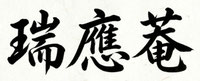
Zuiouan
Nestled in a pocket of profound tranquility that makes you forget the bustle of Hakata, Zuiouan is a sub-temple of Shofukuji, which is renowned as Japan’s very
first Zen temple. Founded in 1331 by Priest Hongen, the 16th chief priest of Shofukuji, Zuiouan carries a rich history spanning nearly 700 years into the present day.
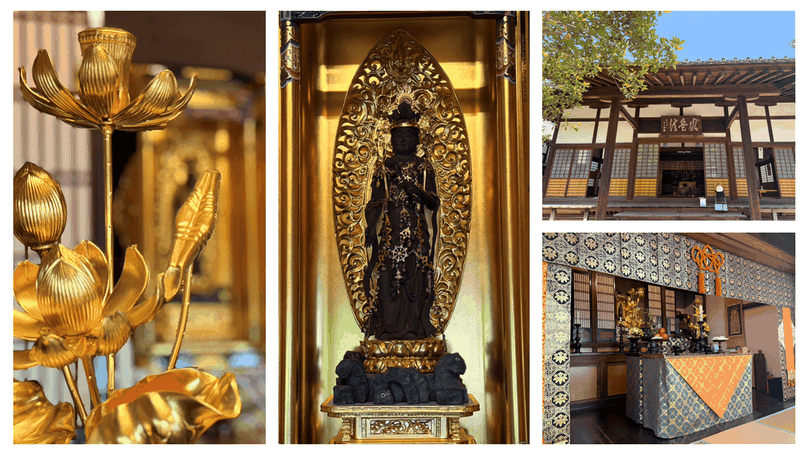
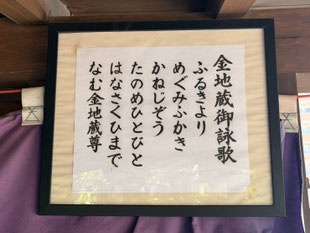
The temple grounds are dotted with precious historical landmarks that whisper tales of the centuries gone by. Among them, the "Kane-Jizo" (Gold Jizo Bodhisattva) is a hidden gem that attracts
visitors from afar. Legend has it that this statue was unearthed alongside gold during past cemetery renovations, and it is now widely revered for bringing financial fortune and good luck.
Other highlights include the "Christian Stone Lantern," a designated cultural property of Fukuoka City, and the "Mongol Invasion Anchor Stone," both of which silently recount the complex history
of Hakata. Towering camphor and ginkgo trees, designated as protected trees by the city, envelop the temple in lush greenery. In front of the main hall, the beautiful gravel patterns of the
Karesansui (dry landscape) garden create a serene, dignified atmosphere that gently guides visitors' minds to a state of inner peace and nothingness ("Mu").
An approachable temple where we can reflect and walk forward together, side by side.
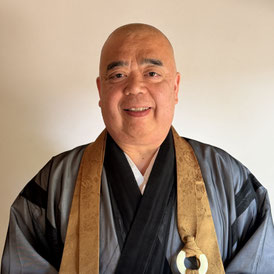
Hello, everyone. I am Soshu Fukugo, the chief priest of Zuiouan.
When you hear the words "Zen priest," you might feel that the threshold is high or feel a bit nervous to strike up a conversation. However, I want to eliminate those psychological barriers
completely. Instead of lecturing or "guiding from above," I wish to stand beside you on equal ground—to listen, contemplate your concerns together, and comfortably discover the answers side by
side.
My motto is "Shogai Shoshin" (Remaining a lifelong beginner).
Growing up, my father, who was also a monk, used to tell me, "A person must know how to be a fool." To "be a fool" in this sense means to cast away all unnecessary pride, return to a beginner's
mind, and live with absolute honesty. While it sounds simple, practicing this is actually quite challenging. Even today, I embrace this teaching as a vital part of my daily spiritual
training.
The modern world is filled with frantic busyness and worries. If you ever feel weary from daily life or wish to look within yourself, please feel free to drop by Zuiouan at any time. I would be
honored to share a moment with you to relax your shoulders and gently align your body, mind, and breath.
We also offer Goshuin (sacred temple stamps). Please feel free to ask for one as a token of your visit or as a souvenir of your walk through Hakata's history. I look forward to forging a warm
connection with you. Please feel welcome to visit anytime.
Please note that while our website is available in English, our temple staff may not be fluent in the language. We apologize for any inconvenience this may cause and appreciate your kind
understanding and patience.
Goshuin / Sacred Stamps (御朱印)

Goshuin (Sacred Stamps): Zuiouan offers three types of Goshuin.
If the staff is not present in the Main Hall, please kindly ring the bell at the entrance.
1. HoUKan Juichimen Kanzeon Bosatsu Goshuin
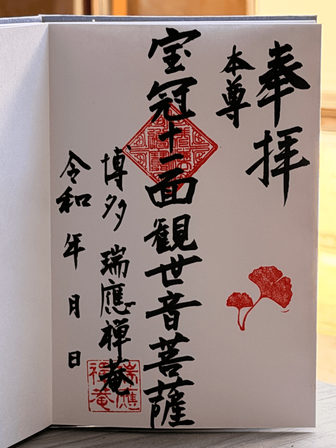
HAND-WRITTEN DIRECTLY INTO YOUR BOOK / 500 YEN
A Goshuin featuring the name of Zuiouan’s principal deity, the Crowned Eleven-Headed Kannon Bodhisattva.
2. Kane-Jizo Bosatsu Goshuin
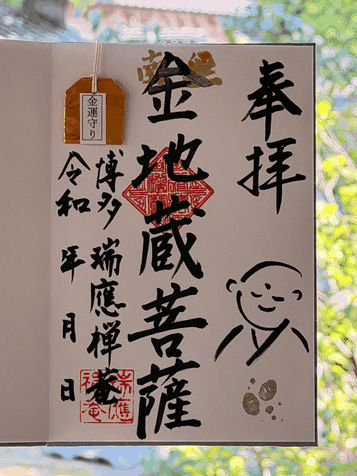
HAND-WRITTEN DIRECTLY INTO YOUR BOOK / 500 YEN
Gold has been excavated from the grounds of Zuiouan on three separate occasions in the past. The Jizo statue that was unearthed alongside the gold is affectionately called "Kane-Jizo." Many people visit to pray here, as it is believed to bring good luck in wealth and financial fortune. We hand-write each stamp with prayers so that the blessings of Kane-Jizo will reach the recipient. This is our most popular Goshuin and comes with a handmade origami wealth amulet.
3. HouKan Juichimen Kanzeon Bosatsu Goshuin
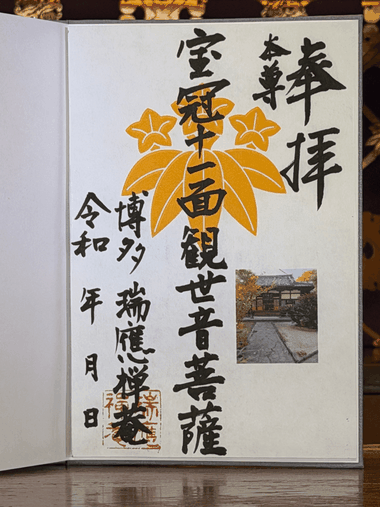
Pre-written paper / 500 yen
A Goshuin featuring the name of Zuiouan’s principal deity, the Crowned Eleven-Headed Kannon Bodhisattva (provided on a pre-written sheet of paper).
Temple Highlights
Main Hall (Hondo)
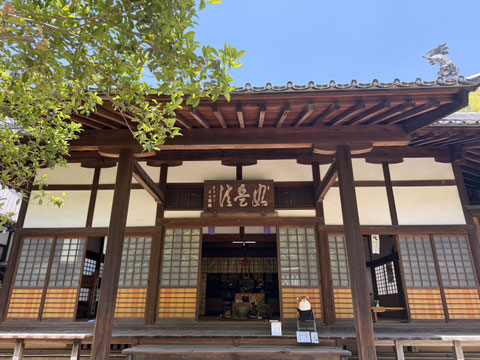
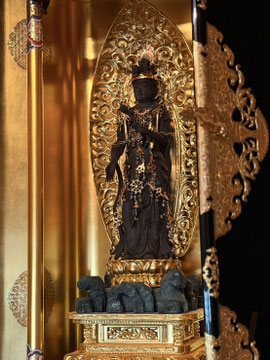
Please feel free to offer your prayers here.
The principal image of worship at Zuiouan is the Crowned Eleven-Headed Kannon Bodhisattva.
The 33 Kannon Statues of Zuiouan originate from the Saigoku Kannon Pilgrimage
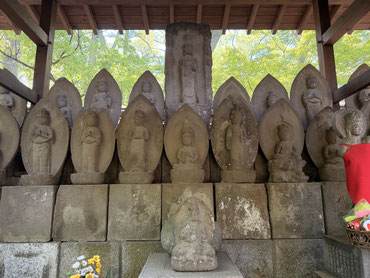
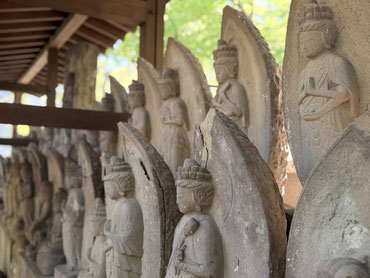
The 33 Kannon Statues of Zuiouan originate from the Saigoku Kannon Pilgrimage (a famous pilgrimage of 33 Buddhist temples).
It is believed that Kannon Bosatsu (the Bodhisattva of Compassion) transforms into 33 different manifestations to save people, always watching over us with profound mercy no matter what hardships we may face.
Furthermore, the origin of Goshuin (sacred temple stamps) dates back to the Buddhist monk Tokudo Shonin, the founder of the pilgrimage. According to legend, he received a divine decree from King Enma (the ruler of the underworld) along with 33 sacred seals, which marked the beginning of this sacred tradition.
Kane-Jizo (Gold Jizo)

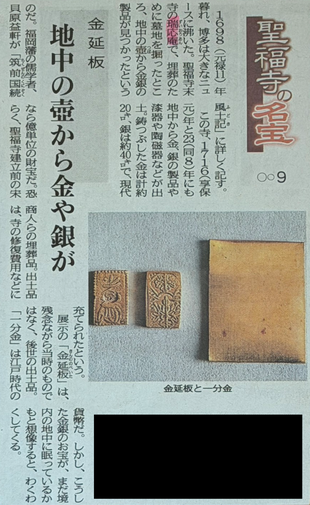

— From the Nishinippon Shimbun Newspaper: "Gold Sheets and Coins Found in Underground Urns"
In the late winter of 1698, Hakata was abuzz with big news. While digging a grave at Zuiouan, a sub-temple of Shofukuji, an underground urn containing gold and silver items was discovered. Kaibara Ekiken, a Confucian scholar of the Fukuoka Domain, documented this event in detail in his book Chikuzen-no-kuni Zokufudoki. Gold and silver artifacts, along with lacquerware and ceramics, were further unearthed in 1716 and 1723. The melted gold totaled about 20 kg and the silver about 40 kg—treasures worth hundreds of millions of yen in today's value. These items were likely burial goods belonging to Song Dynasty merchants who lived here before Shofukuji was founded. The unearthed treasures were used to fund the restoration of the temple. The "Gold Sheet" currently on display is not from that original discovery, but from a later excavation, and the "Ichibukin" coin is currency from the Edo period. However, imagining that more gold and silver treasures might still sleep beneath the temple grounds is truly thrilling.
Christian Stone Lantern & Mongol Invasion Anchor Stone
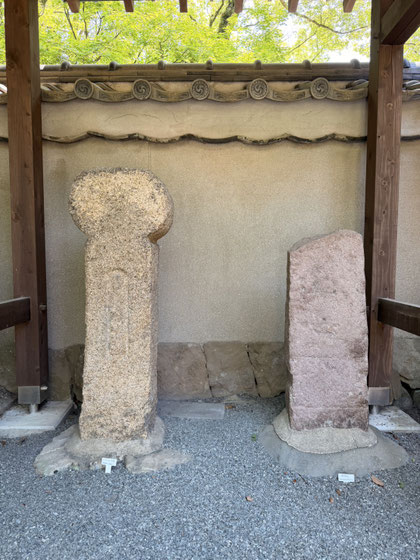
The Christian Stone Lantern is a Fukuoka City cultural property that proves the historical presence of "Kakure Kirishitan" (hidden Christians) in Hakata. Although only the pedestal remains today, its shape forms a cross, and the center features a carving that can be interpreted as either a Buddhist deity or Jesus Christ.
Upon close inspection of the Mongol Invasion Anchor Stone, you can notice grooves on the lower left and right sides. These were likely designed to secure the anchor with ropes. It is highly possible that this stone was used by the Yuan (Mongol) fleet during the two attempted invasions of Japan, though it may also have belonged to Chinese merchant ships from the Song Dynasty that frequently visited Hakata since the Heian period.
Zazen Session
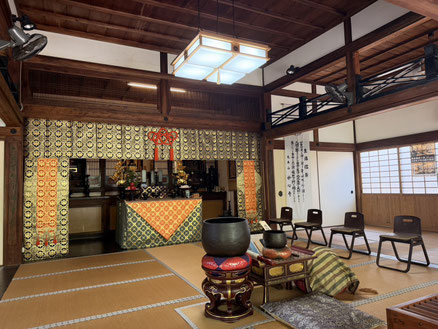
Zuiouan hosts a monthly Zazen session on the third Thursday of every month, from 6:30 AM to 8:00 AM.
Thanks to our convenient location near Hakata Station, our sessions are regularly attended by office workers before their commute, domestic travelers, and visitors from overseas. If you would like to experience Zazen, please sign up by phone at least one day in advance.
Access & Parking Page Translation
A 15-minute walk from JR Hakata Station

A 5-minute walk from Gion Subway Station.
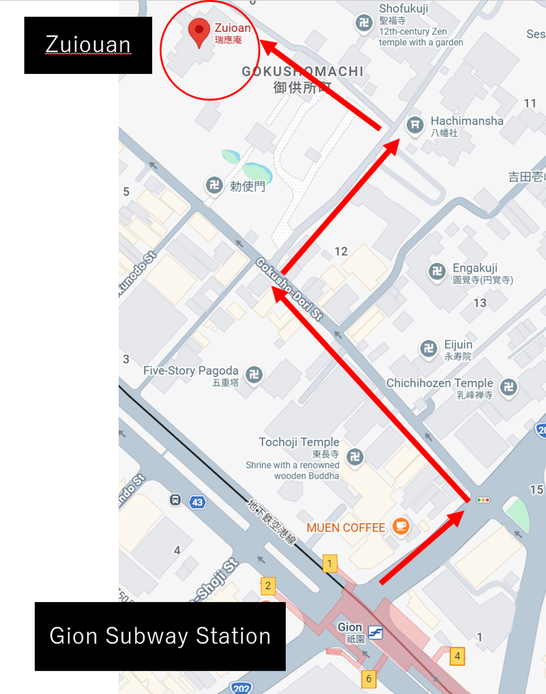
Take Exit 1 of Gion Station to reach street level. Proceed down Gokusho-dori Street toward Shofukuji Temple. (Please note that this street is a one-way road if you are coming by car.)
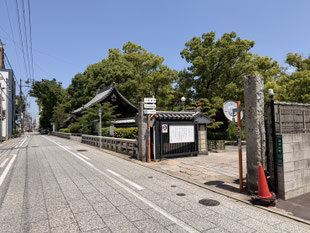
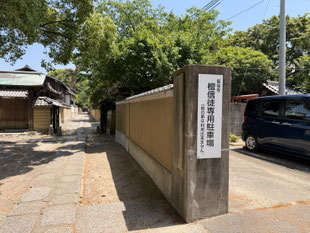
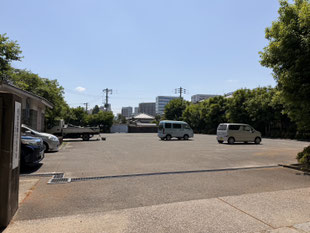
Zuiouan is located beyond the Shofukuji Sanmon Gate, toward the back left side, just past the stone monument inscribed with a poem by Juzo Kagoshima.
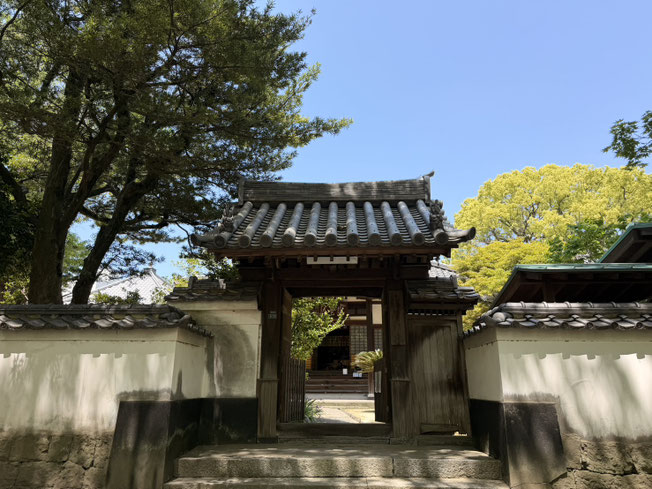
Please feel free to come in and offer your prayers. Admission is free.
Zuiouan | Rinzai Sect Myoshinji School
6-2 Gokosho-machi, Hakata-ku, Fukuoka City, Fukuoka, 812-0037
Phone: 092-291-4159 (Within Japan) / +81-92-291-4159 (International)
Transportation & Access
A 5-minute walk from Gion Station (Fukuoka City Subway Kuko Line)
A 15-minute walk from JR Hakata Station
A 5-minute walk from Nishitetsu Bus Stop "Gion-machi" or "Okunodo"
By Car: Take the "Gofukumachi" or "Chiyo" exit on the Fukuoka Urban Expressway.